LED video walls have transformed visual communication across industries. From immersive corporate lobbies and high-impact retail displays to mission-critical control rooms and outdoor event stages, LED technology delivers brightness, scale, and seamless imagery that no single display can match. As businesses in India accelerate their digital transformation, understanding LED video wall technology is essential for anyone involved in AV specification, procurement, or project management.
This guide provides a thorough overview of LED video wall technology, covering how the technology works, the different types available, critical specifications like pixel pitch, real-world applications, and practical advice on planning an installation. Whether you are an AV integrator designing a solution for a client, an IT manager evaluating options for a boardroom, or a procurement officer budgeting a new project, this resource will equip you with the knowledge to make informed decisions.
What Is an LED Video Wall?
How LED Video Walls Work
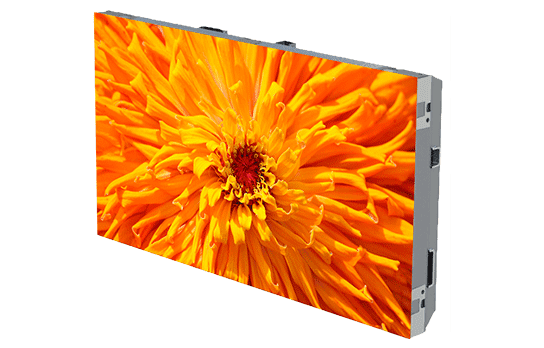
An LED video wall is a large-format display surface composed of multiple LED (Light Emitting Diode) modules tiled together to create a single, seamless image. Unlike traditional LCD displays that use a backlight behind a liquid crystal layer, LED video walls use direct-view technology where each pixel is formed by individual LED components that emit their own light. This fundamental difference gives LED walls superior brightness, contrast, and scalability.
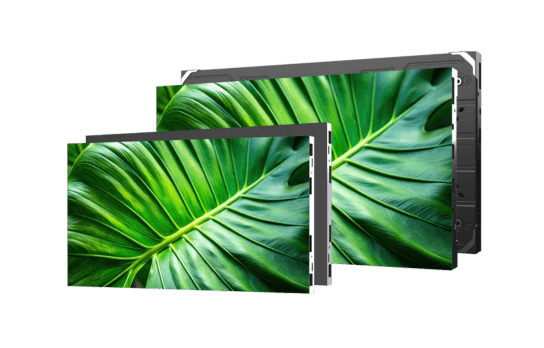
The building blocks of an LED video wall are LED modules, which are assembled into cabinets. These cabinets are precision-manufactured to tile together with minimal visible gaps, creating a virtually seamless canvas. The modular design means an LED video wall can be built to almost any size and aspect ratio, from a compact 110-inch conference room display to a massive 20-meter-wide outdoor billboard.
Each LED module contains thousands of individual LED chips arranged in a precise grid. The density of these chips, measured as pixel pitch, determines the resolution and optimal viewing distance of the wall. A dedicated video processor or controller takes input sources and distributes the content across the entire wall surface.
LED Video Walls vs LCD Video Walls
While both LED and LCD technologies serve the video wall market, they differ significantly in performance and application suitability. LCD video walls use multiple flat-panel displays tiled in a grid, and even with narrow-bezel models, visible seam lines remain between panels. LED video walls, by contrast, produce a truly seamless image with no visible borders between modules.
| Feature | LED Video Wall | LCD Video Wall |
|---|---|---|
| Bezels/Seams | Seamless | Visible seam lines (0.88mm-3.5mm) |
| Brightness | 800-10,000+ nits | 500-700 nits typical |
| Lifespan | 100,000+ hours | 50,000-60,000 hours |
| Size Flexibility | Any size and ratio | Limited to panel multiples |
| Maintenance | Module-level replacement | Full panel replacement |
| Cost | Higher for fine pitch | Lower entry cost |
LCD video walls still make sense for budget-constrained installations where seam visibility is acceptable, such as basic digital signage walls or menu board arrays. However, for applications demanding visual impact, close viewing, or seamless content presentation, LED is the clear choice.
Types of LED Video Walls
SMD (Surface-Mounted Device) LED
SMD technology is the most widely deployed LED type for video walls today. In SMD panels, individual red, green, and blue LED chips are mounted onto a single surface-mount package, which is then soldered to the circuit board. SMD LEDs offer excellent color uniformity, wide viewing angles, and are available across a broad range of pixel pitches from P1.2 to P10 and beyond.
The primary advantages of SMD technology include cost-effectiveness, wide availability from multiple manufacturers, and proven reliability across millions of installations. Most indoor commercial LED video walls deployed in India use SMD technology due to its balanced combination of performance and value.
COB (Chip-on-Board) LED
COB LED technology represents the next evolution in direct-view LED. Instead of mounting individual LED packages onto the circuit board, COB places bare LED chips directly onto the substrate and then encapsulates them with a protective epoxy layer. This approach eliminates the gaps between individual LED packages, resulting in improved durability, better contrast ratios, and enhanced viewing angles.
COB panels are particularly suited for environments where the LED surface may be subject to physical contact, such as public spaces, retail, and education. The protective encapsulation makes COB surfaces significantly more resistant to damage from touch, dust, and moisture compared to SMD panels. While COB typically commands a premium over SMD, the gap is narrowing as production volumes increase.
MicroLED
MicroLED is the premium tier of LED video wall technology, using microscopic LED chips (typically under 100 micrometers) to achieve extremely fine pixel pitches below P0.5. Samsung's The Wall is the most prominent MicroLED product in the market. MicroLED delivers exceptional picture quality with perfect blacks, wide color gamut, and ultra-high resolution at close viewing distances.
Currently, MicroLED technology is positioned in the premium segment due to manufacturing complexity and cost. It is best suited for executive boardrooms, luxury retail, broadcast studios, and high-end residential applications where budget is secondary to visual performance.
Indoor vs Outdoor LED Panels
LED panels are engineered differently depending on whether they will be deployed indoors or outdoors. Indoor panels feature finer pixel pitches (P0.9 to P3.0), moderate brightness (800 to 1,500 nits), and standard environmental protection (IP20 to IP40). Outdoor panels use coarser pixel pitches (P3.0 to P16), high brightness (5,000 to 10,000+ nits), and robust weatherproofing (IP54 to IP68).
For a detailed comparison, read our guide on indoor vs outdoor LED video walls.
Understanding Pixel Pitch — The Most Important Spec
What Is Pixel Pitch?
Pixel pitch is the distance in millimeters between the center of one pixel and the center of the adjacent pixel on an LED display. It is the single most important specification when selecting an LED video wall because it determines three critical factors: resolution, optimal viewing distance, and cost.
A smaller pixel pitch means more pixels per square meter, resulting in higher resolution and the ability to display sharp content at closer viewing distances. However, finer pixel pitch also means exponentially more LED chips per square meter, which directly increases cost.
How to Choose the Right Pixel Pitch
The general rule for determining minimum comfortable viewing distance is: minimum viewing distance in meters equals the pixel pitch in millimeters multiplied by approximately 3. For example, a P1.5 LED wall has an optimal minimum viewing distance of about 4.5 meters, while a P2.5 wall works best at 7.5 meters or more.
| Pixel Pitch | Minimum Viewing Distance | Typical Application |
|---|---|---|
| P0.9 - P1.2 | 2.7 - 3.6 meters | Boardrooms, control rooms, broadcast |
| P1.5 - P2.0 | 4.5 - 6 meters | Corporate lobbies, meeting rooms, retail |
| P2.5 - P4.0 | 7.5 - 12 meters | Retail, events, houses of worship |
| P4.0 - P10+ | 12 - 30+ meters | Outdoor advertising, stadiums, facades |
Fine Pixel Pitch vs Standard Pixel Pitch
Fine pixel pitch (generally P2.5 and below) is required when viewers will be close to the display and content includes detailed text, data visualization, or high-resolution imagery. Standard pixel pitch (P2.5 and above) is appropriate for applications with longer viewing distances where the human eye cannot distinguish individual pixels.
Over-specifying pixel pitch is one of the most common and costly mistakes in LED video wall projects. If your viewing distance is 10 meters, investing in a P1.2 wall delivers no visible benefit over a P2.5 wall but costs significantly more. Always match pixel pitch to actual viewing distance.
Key Specifications to Evaluate
Brightness (Nits)
Brightness, measured in nits (candelas per square meter), determines how well the LED wall performs in different lighting conditions. Indoor environments typically require 800 to 1,500 nits, while outdoor installations need 5,000 to 10,000+ nits to remain readable in direct sunlight. Over-specifying brightness for indoor use wastes energy and can cause viewer discomfort.
Refresh Rate
Refresh rate indicates how many times per second the display updates its image. For standard viewing, 1,920 Hz is sufficient. However, for environments where cameras will be filming the wall (broadcast studios, event stages, experience centers), a refresh rate of 3,840 Hz or higher is essential to eliminate visible scan lines and flickering in camera footage.
Contrast Ratio and Color Gamut
Modern LED video walls offer contrast ratios exceeding 5000:1, delivering deep blacks and vibrant colors. Wide color gamut support (covering over 100% of the sRGB spectrum) ensures accurate color reproduction for brand-critical content. HDR (High Dynamic Range) support is becoming standard in premium LED panels, enabling broader brightness and color ranges for more lifelike imagery.
Cabinet Size and Weight
LED panels come in standardized cabinet sizes, with 500x500mm and 600x337.5mm being the most common formats. Cabinet size affects installation logistics, structural load requirements, and serviceability. Lighter cabinets (typically 6-8 kg per panel for indoor models) simplify mounting and reduce structural reinforcement needs. Front-access designs allow individual modules to be serviced without removing adjacent panels.
LED Video Wall Applications
Corporate and Conference Rooms
LED video walls are increasingly replacing projectors and flat-panel displays in corporate environments. A seamless LED wall in a boardroom delivers superior image quality with no ambient light issues, no lamp replacements, and a premium aesthetic that impresses clients and stakeholders. Fine pixel pitch panels (P1.2 to P1.8) are ideal for meeting rooms where viewers sit 2 to 5 meters from the display.
Retail and Brand Experience
Retail environments use LED video walls for high-impact storefront displays, in-store brand storytelling, and immersive customer experiences. LED walls can transform window displays into dynamic, attention-grabbing canvases that draw foot traffic. Inside the store, video walls create memorable brand moments and can be used for product showcases, lifestyle content, and interactive experiences.
Control Rooms and Command Centers
Mission-critical control rooms demand displays that operate 24/7 with absolute reliability. LED video walls rated for continuous operation offer the brightness, resolution, and redundancy that control room environments require. Operators can display multiple data sources simultaneously in configurable window layouts, and modular LED construction means a single failed module can be replaced without affecting the rest of the wall.
Events and Rental
The event industry relies heavily on LED video walls for stage backdrops, scenic elements, and audience engagement. Rental-grade LED panels are designed for rapid deployment and teardown, with quick-lock mounting systems and rugged construction to withstand transport. Outdoor event panels feature high brightness and weather resistance for festival and concert applications.
Broadcast and Studios
LED video walls have revolutionized broadcast production through virtual production and extended reality (XR) stages. LED volumes create photorealistic backgrounds that render in real-time, eliminating the need for green screens and post-production compositing. Newsroom backdrops, weather walls, and studio sets increasingly feature fine-pitch LED panels for camera-friendly visual environments.
Hospitality and Lobbies
Hotels use LED video walls in lobbies to create immersive guest experiences, display destination content, and reinforce brand identity. A well-designed lobby video wall serves as both an architectural feature and a communication tool, showing welcome messages, event schedules, and promotional content for hotel amenities like restaurants, spas, and conference facilities.
How to Plan an LED Video Wall Installation
Site Assessment Checklist
Every LED video wall project begins with a thorough site assessment. Key factors to evaluate include structural load capacity (LED walls are heavy, and the mounting wall or structure must support the weight), electrical power requirements (dedicated circuits with appropriate amperage), ambient lighting conditions (which affect perceived brightness and contrast), and ventilation (LED panels generate heat that must be dissipated to ensure longevity and consistent performance).
Content and Resolution Planning
Before selecting hardware, define the content requirements. The native resolution of an LED wall is calculated by dividing the wall dimensions by the pixel pitch: wall width in millimeters divided by pixel pitch in millimeters equals horizontal pixel count. For example, a 3-meter-wide wall with P1.5 panels has a native resolution of 2,000 pixels wide. Planning content resolution early in the project ensures the selected pixel pitch delivers the visual quality required for the intended content types.
Working with a System Integrator
LED video wall projects involve multiple disciplines: structural engineering, electrical work, network infrastructure, content management, and AV integration. Working with an experienced system integrator ensures all these elements are coordinated for a successful deployment. A qualified integrator handles design, procurement, installation, calibration, and ongoing support.
VTL enables system integrators with access to multiple OEM brands, technical pre-sales support, and project enablement resources. This means integrators can specify the best-fit technology from Samsung, LG, or Planar based on project requirements rather than being limited to a single vendor.
Leading LED Video Wall Brands in India
The Indian market has access to world-class LED video wall technology from multiple OEMs. Samsung offers a comprehensive LED lineup from fine-pitch indoor panels to massive outdoor displays, including the groundbreaking The Wall MicroLED series. LG provides a strong range of LED signage products with webOS integration for simplified content management. Planar, a Leyard company, specializes in premium video wall solutions with a particular focus on fine-pitch LED for control rooms and corporate environments.
VTL provides access to LED video wall solutions across all three brands through a single distribution partner. This multi-brand approach allows system integrators to recommend the optimal technology for each project without vendor lock-in.
Frequently Asked Questions
What is the lifespan of an LED video wall?
Most commercial LED video walls are rated for 100,000+ hours of continuous operation, which translates to over 11 years of 24/7 use. Actual lifespan depends on operating conditions including brightness levels, ambient temperature, and maintenance practices.
How much does an LED video wall cost in India?
LED video wall pricing in India varies significantly based on pixel pitch, panel size, brand, and installation complexity. Fine pixel pitch indoor walls command a premium per square meter, while standard outdoor panels are more economical. For detailed pricing information, read our LED wall pricing guide.
Can LED video walls be used outdoors?
Yes, but outdoor installations require panels specifically engineered for outdoor use with IP65 or higher weather protection, high brightness (5,000+ nits), and wide operating temperature ranges. Indoor panels should never be used outdoors, even temporarily. For more details, see our guide on indoor vs outdoor LED video walls.
What is the best pixel pitch for a conference room?
For conference rooms with typical viewing distances of 2 to 5 meters, a pixel pitch between P1.2 and P2.0 is recommended for sharp text and detailed content. The optimal choice depends on the room dimensions and seating layout.
How do you maintain an LED video wall?
LED video walls require minimal maintenance compared to other display technologies. Routine care includes periodic brightness and color calibration, cleaning of panel surfaces with appropriate methods, and replacement of any failed modules (which can be done at the module level without affecting the rest of the wall). An annual maintenance contract (AMC) with a qualified integrator ensures ongoing optimal performance.
What is the difference between LED and LCD video walls?
LED video walls use direct-view LED technology where each pixel emits its own light, creating a seamless surface with no visible seams. LCD video walls use multiple flat-panel displays tiled together with visible bezels between panels. LED walls offer superior brightness, longer lifespan, and no seam lines, while LCD walls have a lower entry cost for basic applications.
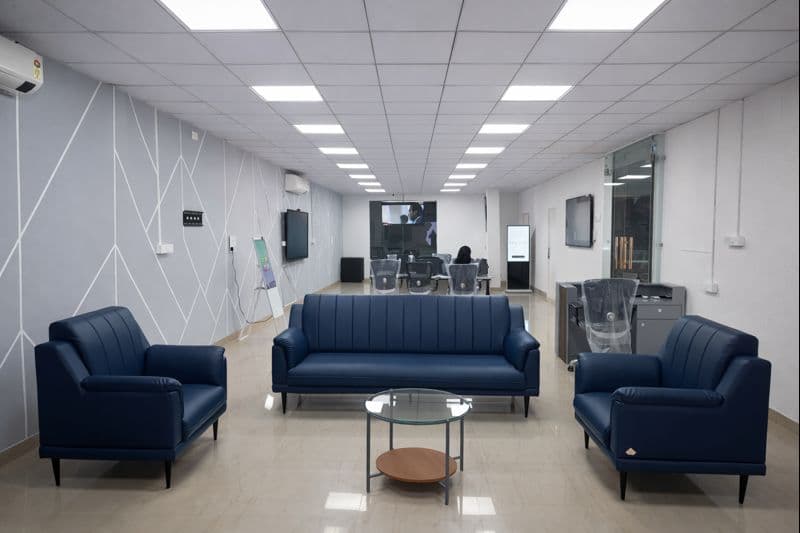
Planning an LED video wall project? VTL provides OEM-agnostic guidance across Samsung, LG, and Planar LED solutions. Talk to our AV specialists for expert support, or visit our Experience Center to see LED video wall technology in action.