Hotels compete on guest experience, and every touchpoint within a property is an opportunity to enhance that experience, drive revenue, and improve operational efficiency. Digital signage transforms passive walls and screens into active communication channels that serve guests, promote amenities, and streamline operations. This guide is based on VTL's 8+ years of hospitality technology experience and 300+ hotel project deployments across India, covering everything from lobby displays to in-room entertainment systems.
Whether you are a hotel GM planning a technology upgrade, an operations director evaluating signage options, an IT manager specifying systems, or an AV integrator specializing in hospitality, this guide provides practical, experience-based guidance for digital signage deployment within hotel properties.
Why Hotels Need Digital Signage
Enhancing the Guest Experience
Modern travelers expect digital-first interactions. From personalized welcome messages displaying guest names to real-time event schedules and interactive wayfinding, digital signage meets these expectations at every touchpoint. Properties that invest in digital guest-facing technology consistently score higher in guest satisfaction surveys and generate more positive online reviews mentioning the modern, tech-forward experience.
Operational Efficiency
Digital signage eliminates the cost and labor of printed materials including event schedules, restaurant menus, facility directories, and promotional collateral. A single CMS platform enables real-time updates across the entire property from a central location, and content changes that previously required print design, production, and physical distribution now happen in minutes. Front desk query volumes decrease when guests can find information on digital displays throughout the property.
Revenue Generation
Strategic signage placement drives F&B revenue through targeted restaurant and bar promotions, spa bookings through digital menu and service displays, activity and excursion bookings through dynamic promotional content, conference and banquet upselling through digital event boards, and third-party advertising opportunities in high-traffic lobby and elevator areas.
Digital Signage Touchpoints Within a Hotel
Lobby and Reception
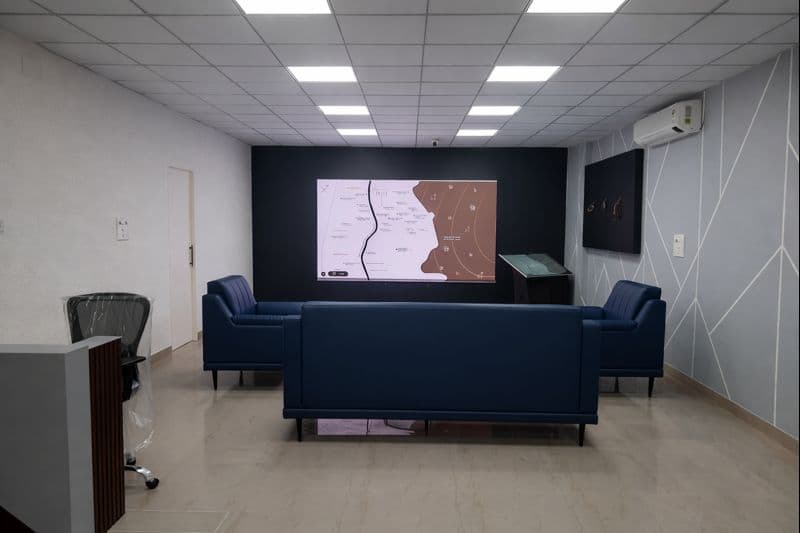
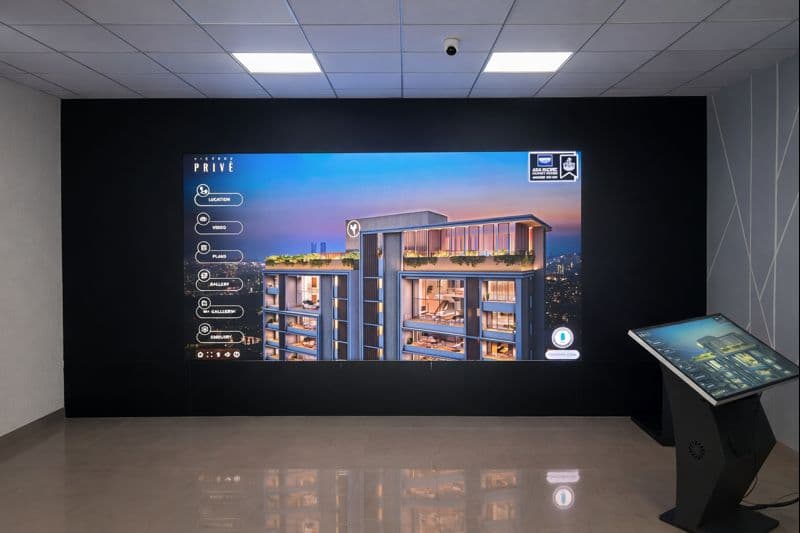
The lobby is the first and last impression point. Digital signage in lobbies serves welcome displays with guest names for groups and VIPs, hotel brand storytelling and destination content, self check-in kiosk integration, local weather and transportation information, and property highlight reels showcasing amenities and services.
Wayfinding and Directories
Interactive wayfinding kiosks with touchscreen maps help guests navigate the property. Static digital directories display floor plans, amenity locations, emergency exits, and service directories. ADA-compliant wayfinding solutions ensure accessibility for all guests.
Conference and Banquet Areas
Event scheduling displays outside meeting rooms show current and upcoming events, eliminating manual sign updates. Digital event boards in pre-function areas display daily conference schedules, welcome messages for event organizers, and directional signage. Integration with the hotel's property management system (PMS) automates event schedule display based on booking data.
Restaurants and F&B Outlets
Digital menu boards that automatically update by meal period (breakfast, lunch, dinner) eliminate manual menu changes. Queue management displays show wait times. Promotional screens highlight daily specials, happy hour offers, and seasonal menus.
Spa, Fitness, and Recreation
Treatment menus, class schedules, promotional offers, and ambient mood content in relaxation areas enhance the spa and wellness experience.
Elevator Lobbies and Corridors
Small-format displays in elevator lobbies deliver floor-specific content, promotional messages, and property information in high-traffic transition areas.
In-Room (Guest Room)
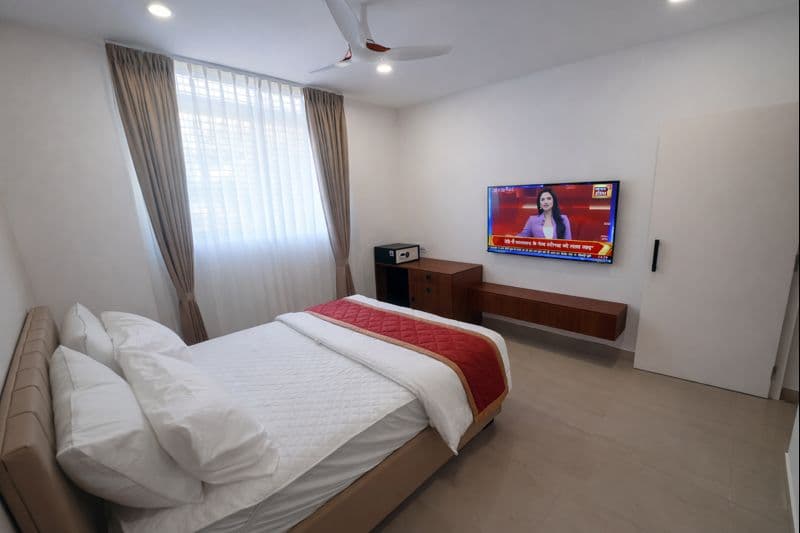
Hospitality TVs with IP-based content delivery transform the guest room screen into an interactive portal for hotel services, local information, entertainment, and personalized welcome messages. IPTV systems enable sophisticated content delivery including live TV, on-demand content, guest casting, and service ordering. For detailed coverage of in-room systems, see our hotel IPTV systems guide.
Technology Components for Hotel Signage
Commercial Displays vs Consumer TVs
Hotels must use commercial-grade displays rather than consumer TVs. Commercial hospitality displays from Samsung and LG provide hotel mode (settings lockout preventing guest tampering), DRM content protection (Pro:Idiom, Pro:Centric), remote management and firmware deployment capabilities, commercial warranty coverage, and anti-theft mounting compatibility. Consumer TVs lack every one of these features and are not suitable for hotel environments.
Content Management Systems
Samsung MagicINFO provides tight integration with Samsung SoC displays for Samsung-based deployments. LG SuperSign and Pro:Centric serve LG display ecosystems. Third-party CMS options enable multi-brand properties to manage content across different display brands from a single platform. The right CMS depends on the display hardware installed and the management requirements of the property.
Networking and Infrastructure
Reliable network infrastructure is critical for hotel signage. Wired connections (ethernet) are preferred for lobby and public area displays due to reliability. Bandwidth planning must account for content delivery across the property, particularly for IPTV and video-heavy signage. Integration with the hotel's Property Management System (PMS) enables automated content like event schedules and personalized guest welcomes.
Planning a Hotel Digital Signage Deployment
Successful hotel signage deployments follow a structured process: property walkthrough to identify all potential signage locations, guest journey mapping to determine where guests need information, stakeholder alignment across GM, marketing, IT, operations, and F&B teams, content strategy development including brand-consistent templates and update workflows, technology selection matched to each environment, professional installation with minimal disruption to hotel operations, staff training on CMS and content management, and ongoing performance measurement and content optimization.
ROI of Hotel Digital Signage
Hotel signage ROI comes from three sources: revenue impact through increased F&B spending, spa bookings, and conference upselling driven by targeted digital promotions; cost savings through print elimination for event programs, directories, menus, and promotional materials; and guest satisfaction improvement reflected in higher review scores, increased repeat bookings, and brand perception enhancement.
Frequently Asked Questions
How much does hotel digital signage cost?
Costs vary widely based on the number of displays, display types, CMS software, and installation complexity. A basic lobby signage setup is a modest investment, while a full-property deployment across hundreds of rooms with IPTV, lobby displays, wayfinding, and conference signage represents a larger capital project. Contact a hospitality AV specialist for project-specific pricing.
Should we use Samsung or LG for hotel signage?
Both Samsung and LG offer excellent hospitality-specific display lines with built-in content management, DRM, and hotel-mode features. The best choice depends on specific requirements, existing infrastructure, and brand preferences. Many properties successfully use a mix of both. Read our detailed Samsung vs LG hospitality TV comparison for specific guidance.
Can digital signage integrate with our hotel PMS?
Yes. Modern digital signage CMS platforms integrate with major PMS platforms like Opera, Protel, and others via API. This enables personalized guest welcomes, real-time event schedules, and automated content updates based on occupancy and bookings.
Planning a digital signage upgrade for your hotel property? Our hospitality team has deployed signage across 300+ projects. Talk to our hospitality specialists for expert guidance.